How to dispute a bank overdraft fee
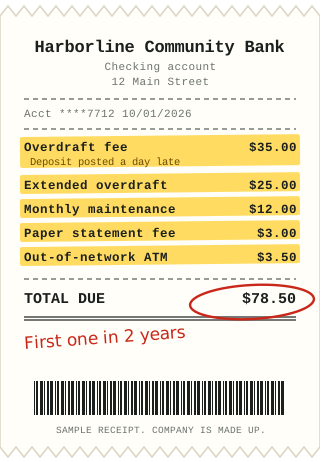
Banks reverse overdraft and monthly fees every day, especially for customers who ask in writing and have a reasonable story. You often do not need to prove the bank did anything wrong.
Check your own records first
Look at the date and order of the transactions on your statement. Did a deposit arrive late? Did a pending charge post out of order? Was the amount small? Was this your first overdraft in a long time? Those details help.
Know the permission rule
For ATM withdrawals and everyday debit card purchases, banks generally need your permission, called opting in, before they can charge you an overdraft fee. If you never agreed, say so. Check your account agreement and your records before you make that point.
Ask for a one-time courtesy refund
Call or write to the bank. Say how long you have been a customer, what happened, and that you would like the fee refunded. Many banks will do it once. Ask for the answer in writing.
If they say no
Ask to speak to a manager or the bank's customer relations department. Then put your request in a short letter that states the amount, the date and what you want. If the bank still refuses, you can complain to the federal agency that handles consumer financial complaints, and to your state's banking regulator. See how to escalate a fee dispute.
Want the letter written for you?
Fight That Fee reads your bill, writes your dispute letter, and tells you who to send it to and what to do next. $9.99 to start. Follow-up letters are $2.