How to dispute short-term rental cleaning and host fees
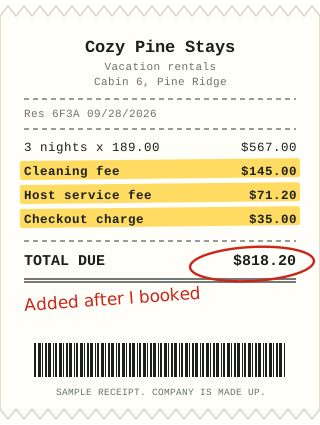
Vacation rentals can look cheap by the night and expensive at checkout. Cleaning fees, service fees and extra charges after you leave are the most disputed lines.
Fees added to the nightly rate
Compare the nightly price you saw with your final total. A cleaning fee and a service fee are common, but they should be shown before you pay. A federal rule on junk fees that took effect in 2025 generally requires short-term lodging to show the total price, with mandatory fees, up front. Take screenshots of what you saw when you booked.
Extra charges after checkout
If a host adds a charge after you leave, such as extra cleaning, damage or a late checkout, ask for the reason in writing. Ask for photos, receipts or the repair estimate. A fair claim has proof and matches what happened during your stay.
Fees that do not match the listing
Check the listing as it was when you booked, and the house rules. If the listing said cleaning was included, or the place was not clean when you arrived, say so, and attach photos from your arrival.
Use the platform's process
Most platforms have a way to report a problem, and it often has a deadline that starts at checkout. Report it there first, in writing, and keep copies. Then write to the platform's customer relations and, if needed, the host.
What to put in your letter
- Your reservation code, the dates and the property.
- The fees you dispute, with their amounts.
- What the listing said, with your screenshots or photos.
- What you want: a refund of the specific charges.
If they say no
If you paid by credit card, you can dispute the charge with your card company, usually within a limited window. You can also complain to your state attorney general's consumer office.
Want the letter written for you?
Fight That Fee reads your bill, writes your dispute letter, and tells you who to send it to and what to do next. $9.99 to start. Follow-up letters are $2.